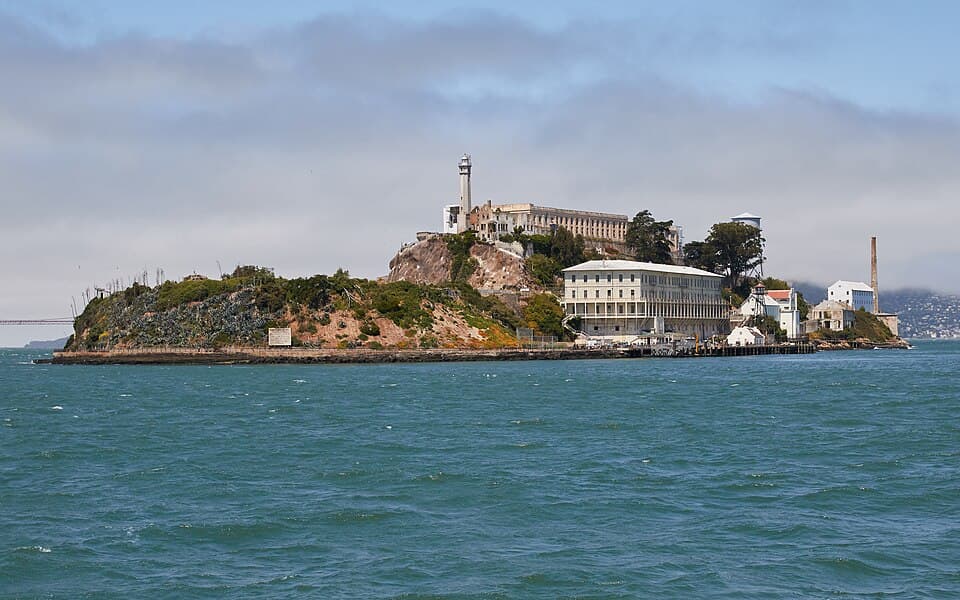
Alcatraz Island
About
Long before it became a federal prison, Alcatraz served US military purposes: fortification began in the 1850s, and during the Civil War the island held Confederate sympathizers as a military prison. The Department of Justice took over the facility in 1933 and designated it a federal penitentiary the next year, built specifically to hold prisoners who had caused trouble at other federal prisons, among them Al Capone, Robert Stroud, known as the Birdman of Alcatraz, and George Machine Gun Kelly.
During the 29 years the penitentiary operated, 36 prisoners took part in 14 escape attempts, none officially confirmed successful, before the prison closed in 1963. From 1969 to 1971, Native American activists occupied the island for nearly two years to demand educational and cultural facilities, a protest that influenced the federal government's later decision to end its Indian termination policy.
The National Park Service has managed the island since 1972 as part of the Golden Gate National Recreation Area, and it is reachable only by a ferry that departs from Pier 33 near Fisherman's Wharf; because both the ferry and the tour require advance reservations, this is one attraction where a family needs to plan ahead rather than showing up.
Visitor information
Admission Tickets for the ferry and island tour are required for everyone and must be reserved ahead of time through the official site or an authorized vendor.
Getting there The ferry departs from Pier 33 Alcatraz Landing near Fisherman's Wharf, a stop served by the F Market streetcar line and nearby Muni and BART connections.