Balboa Park
About
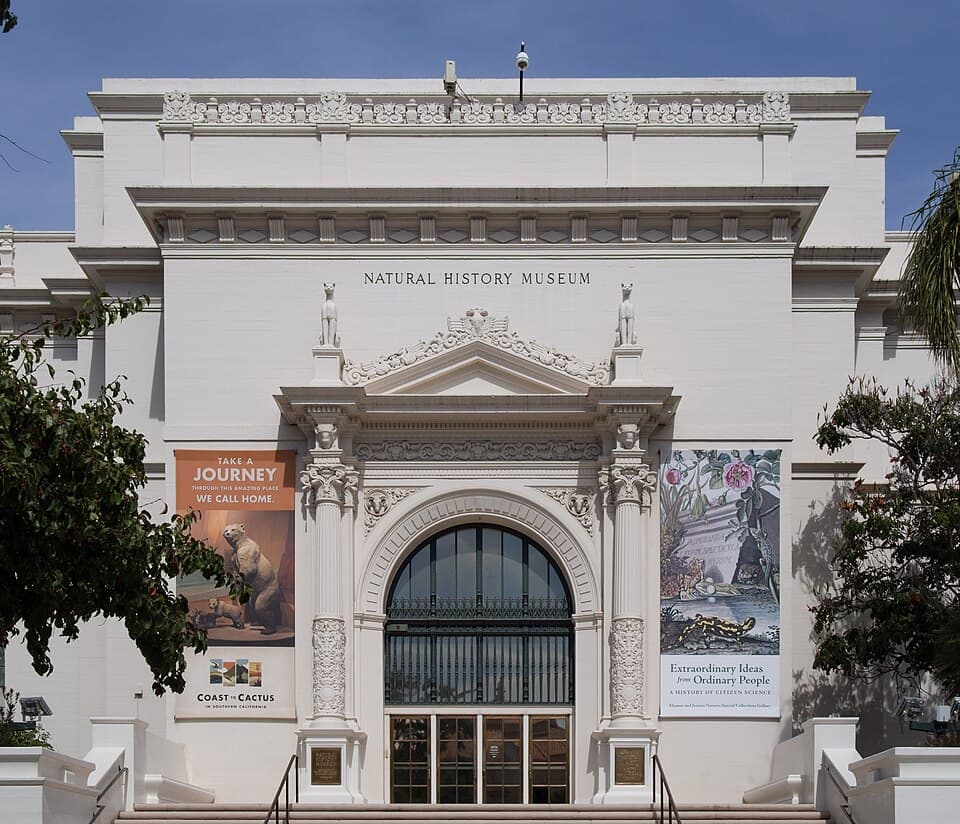
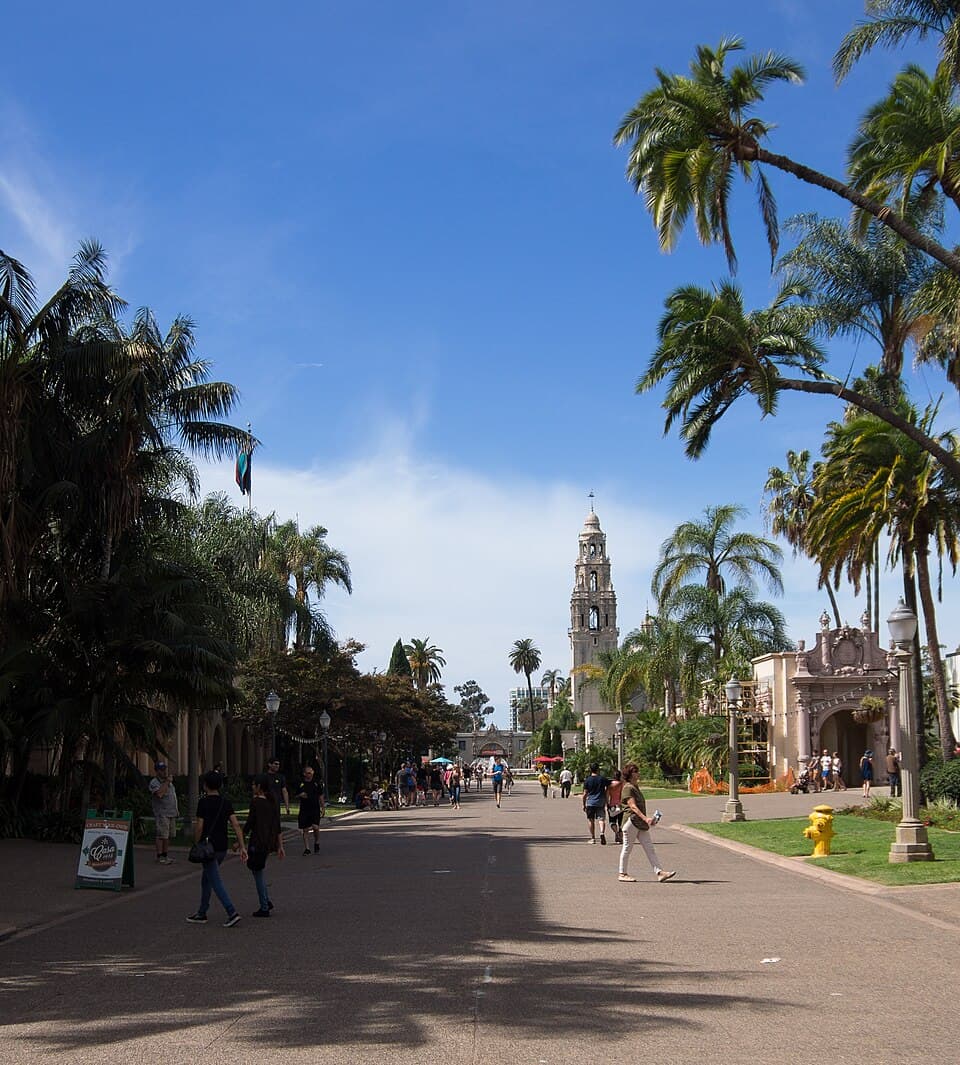
The land was set aside for public recreation as early as 1868, one of the oldest such reservations in the country, and was renamed Balboa Park in 1910 after the Spanish explorer. Most of its Spanish Colonial Revival buildings, designed under lead architect Bertram Goodhue, were built for the 1915-1916 Panama-California Exposition, and a second exposition in 1935-1936 added more structures in the same style.
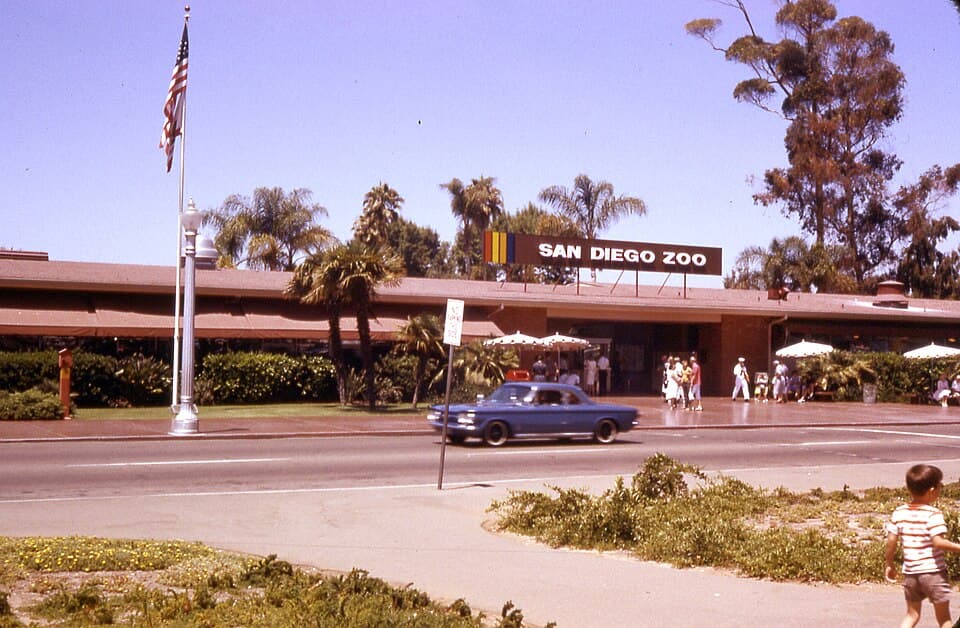
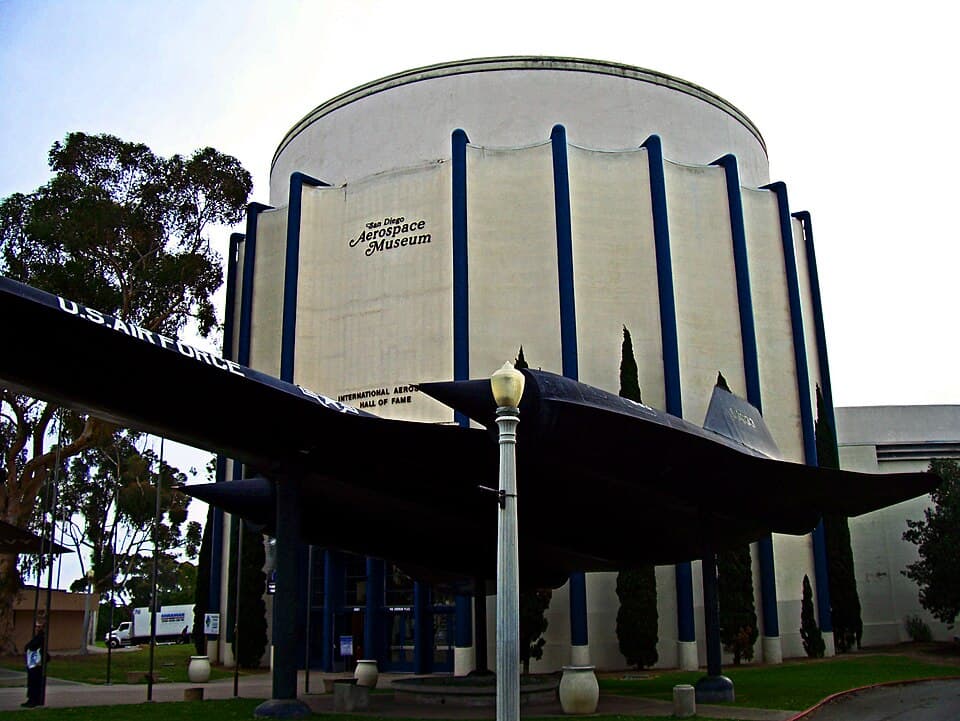
The park's Cabrillo Bridge, completed in 1914 to carry visitors over a canyon into the exposition grounds, still forms the ceremonial entrance to the museum district today. More than a dozen museums now share the park's roughly 1,200 acres alongside theaters, gardens such as the Japanese Friendship Garden and Rose Garden, and the San Diego Zoo, all clustered close enough to visit several in a single day.
Because the park's outdoor spaces, gardens, and architecture cost nothing to walk through, a family can spend a full day here even on a tight budget, choosing only one or two paid museums to enter while treating the rest of the visit as a free afternoon outdoors.
Visitor information
Admission Walking through the park's grounds, gardens, and plazas is always free; individual museums inside the park each charge their own admission.
Getting there Several San Diego MTS bus routes stop along the park's edges and at the museum concourse, since no trolley line runs directly into the park.