Golden Gate Park
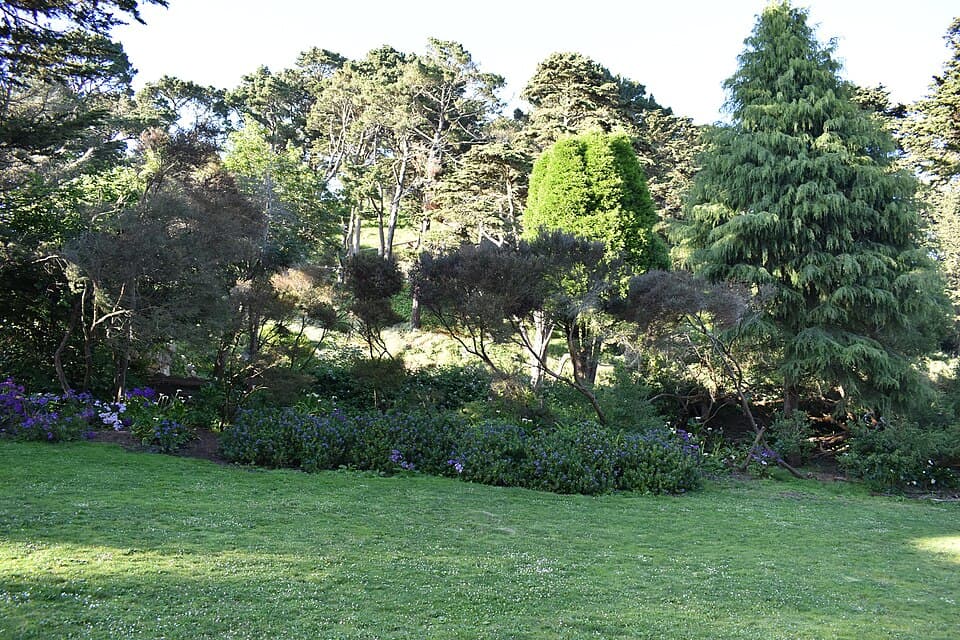
Photo: Fastily · CC BY-SA 4.0
About
The park was proposed as a Central Park-style landscape in 1865, though landscape architect Frederick Law Olmsted's original recommendation for native, low-water plantings was rejected. Engineer William Hammond Hall began transforming the windswept sand dunes after the park opened in 1870, and his assistant, and later superintendent, John McLaren, spent decades continuing that work, planting the trees and lawns that give the park its shape today.
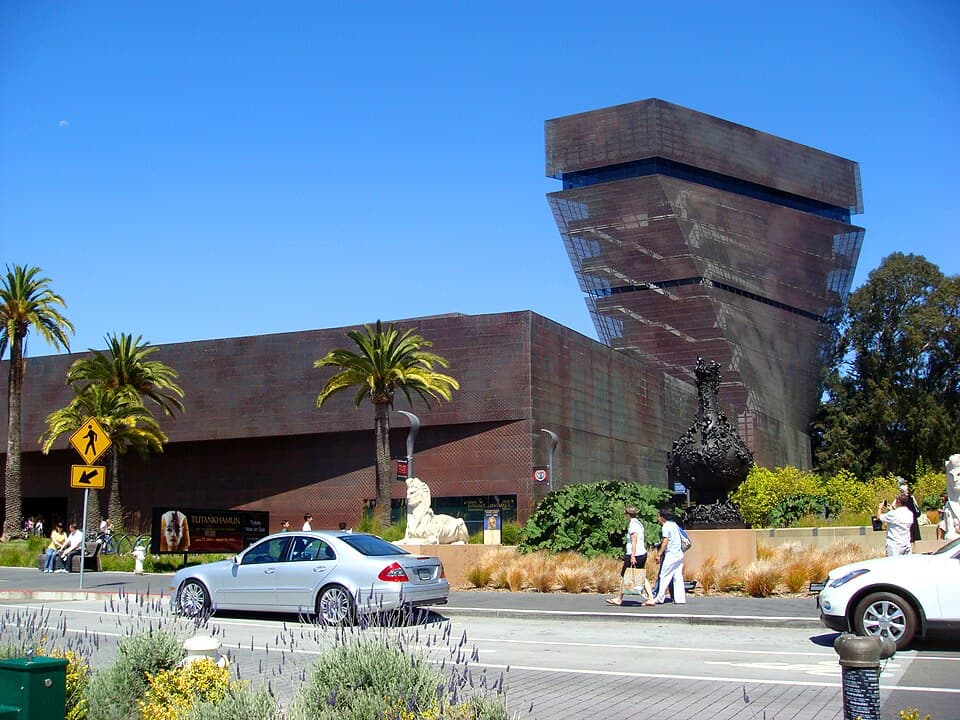
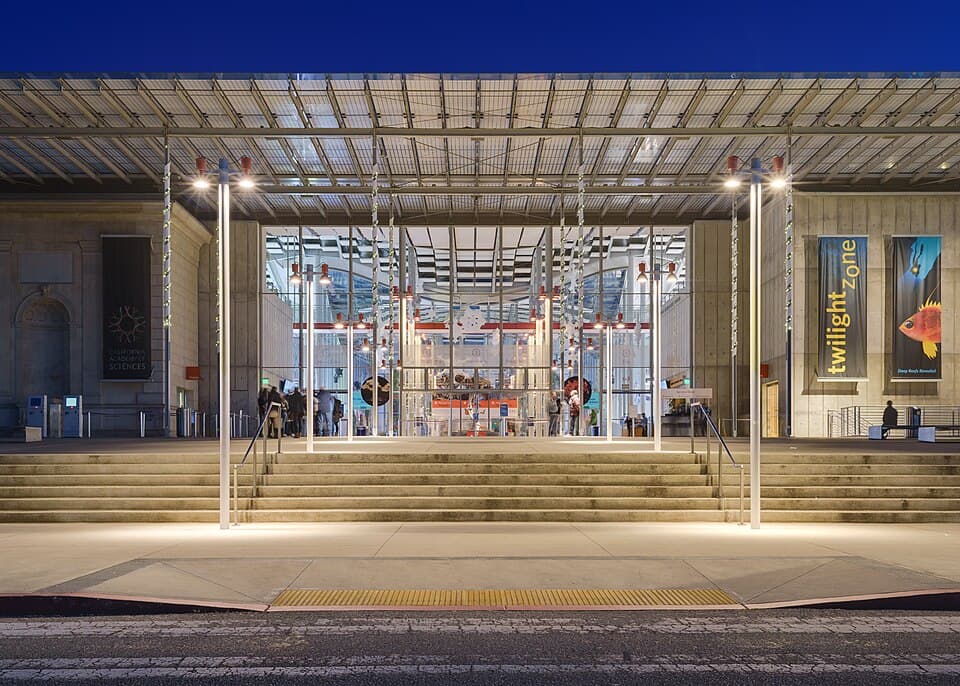
Beyond the de Young Museum and the California Academy of Sciences, the park holds the Japanese Tea Garden, the oldest public Japanese garden in the United States, the 1879 Conservatory of Flowers, the park's oldest surviving building, and two Dutch-style windmills built in 1903. Because entry to the park's roughly 1,017 acres of paths, lakes, and gardens is free at any hour, families on a tight budget can spend an entire day walking between its free areas and choose only one or two paid museums to visit.
Visitor information
Admission The park's grounds, paths, and gardens are free to enter at any time; the de Young Museum, the California Academy of Sciences, and the Japanese Tea Garden each charge their own separate admission.
Getting there Muni bus and rail lines serve the park's edges along Fulton Street, Lincoln Way, and the N Judah line, with several free parking lots inside the park itself.