Hollywood Bowl
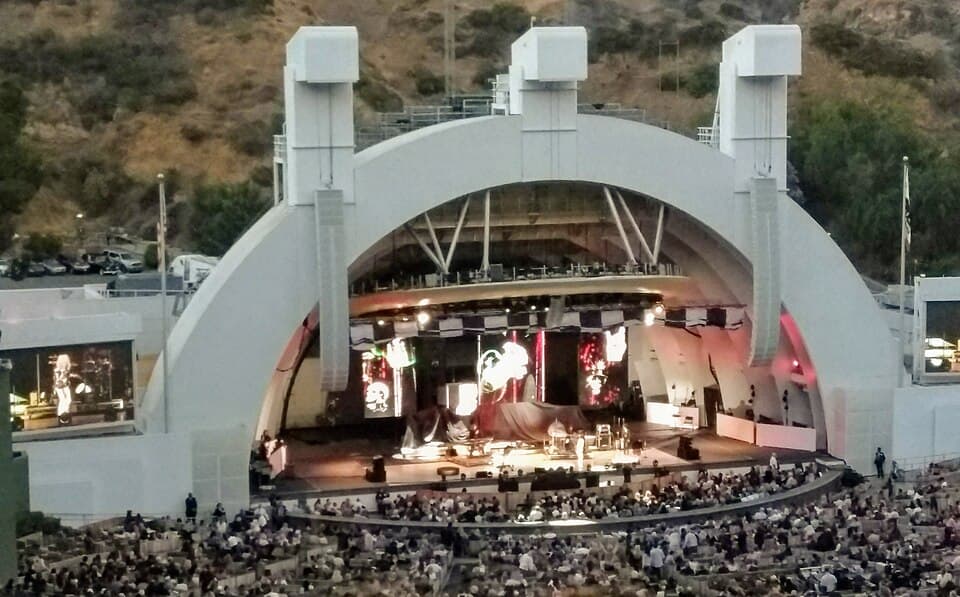
Photo: Royalsafira · CC BY-SA 4.0
About
The Hollywood Bowl opened on July 11, 1922, when conductor Alfred Hertz led the Los Angeles Philharmonic in its first performance at the site, a natural bowl-shaped canyon in the Hollywood Hills chosen for its acoustics. The venue's signature band shell has been rebuilt multiple times: architect firm Allied Architects Association designed a shell in 1926, architect Lloyd Wright designed different versions in 1927 and 1928, and a 1929 concentric-arch shell by Allied Architects remained in use until it was replaced in 2004 by the current shell, designed by Hodgetts + Fung.
Today the Bowl seats about 17,500 people and continues to serve as the summer home of the Los Angeles Philharmonic, hosting hundreds of concerts across many genres each season. It was added to the National Register of Historic Places in 2023, recognizing both its architecture and its long musical history.
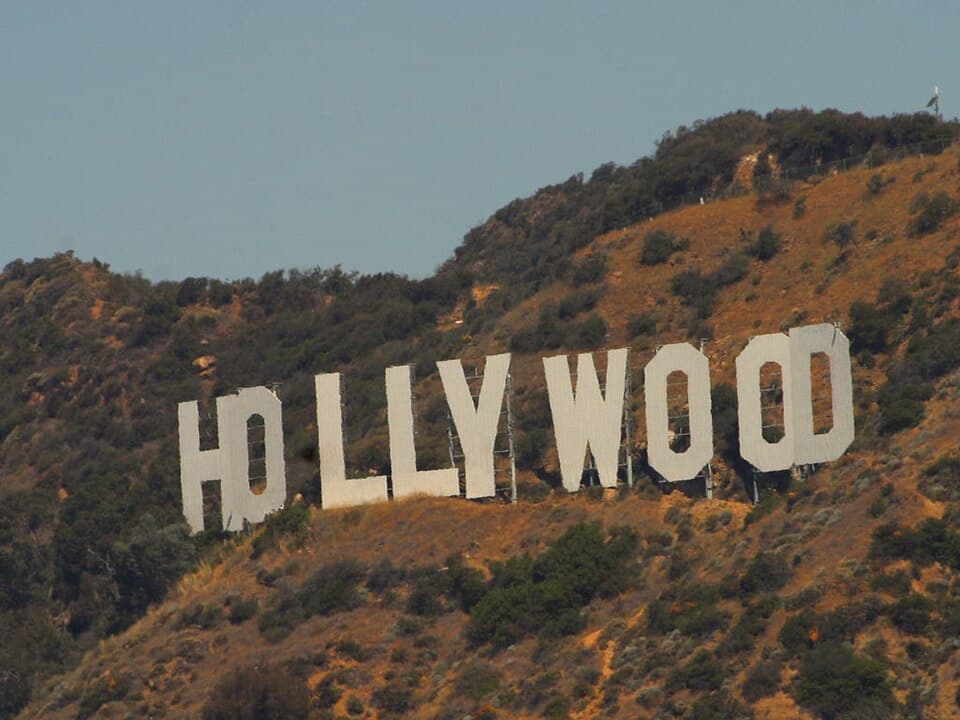
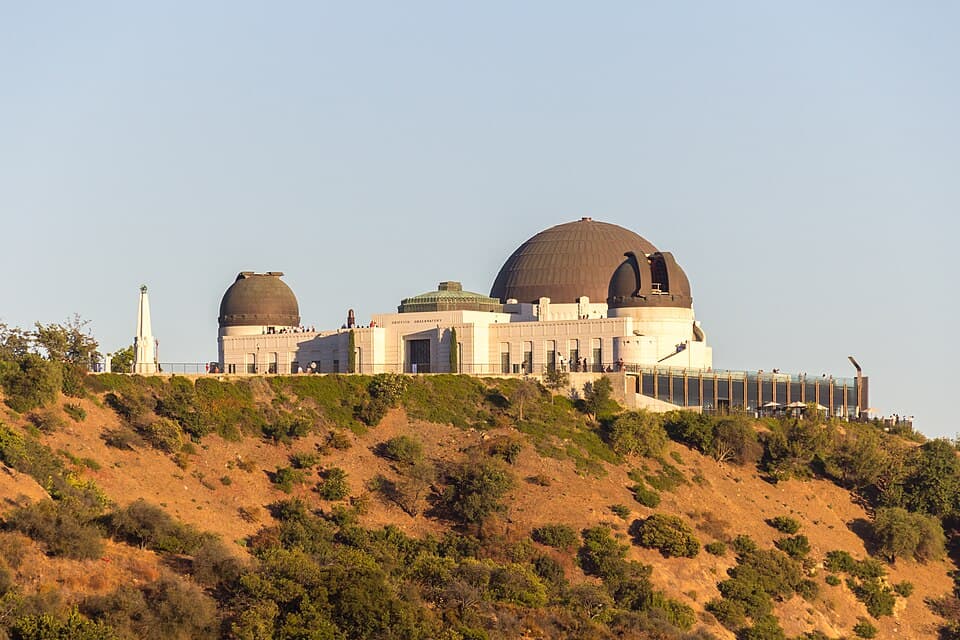
Near the bottom of Peppertree Lane, the Hollywood Bowl Museum offers free admission along with free self-guided and guided tour options, so a family can explore the venue's history without buying a concert ticket. Because the Bowl sits about a mile from the Hollywood/Highland Metro station and close to the Hollywood Sign and Griffith Park, newcomers who want an easy, low-cost outing can pair the free museum and grounds with a walk to nearby viewpoints.
Visitor information
Admission The grounds and the Hollywood Bowl Museum near Peppertree Lane are free to enter; concerts require a separate ticket purchased through the official site.
Getting there The Metro B Line's Hollywood/Highland station is about a mile away, with a seasonal shuttle and on-site parking lots also serving concertgoers.