Los Angeles County Museum of Art
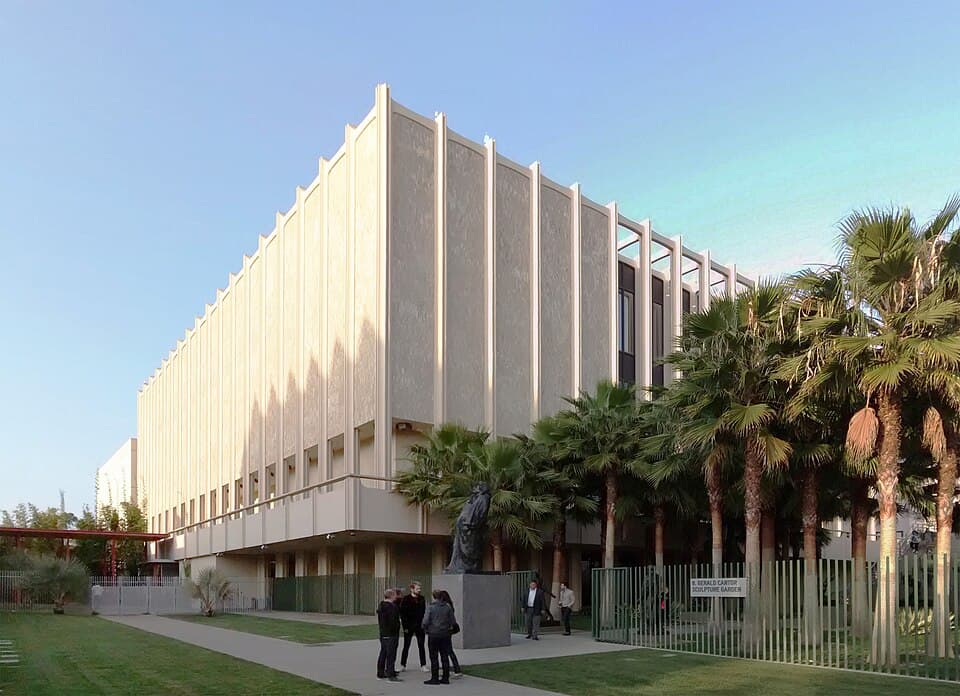
Photo: Gunnar Klack · CC BY-SA 4.0
About
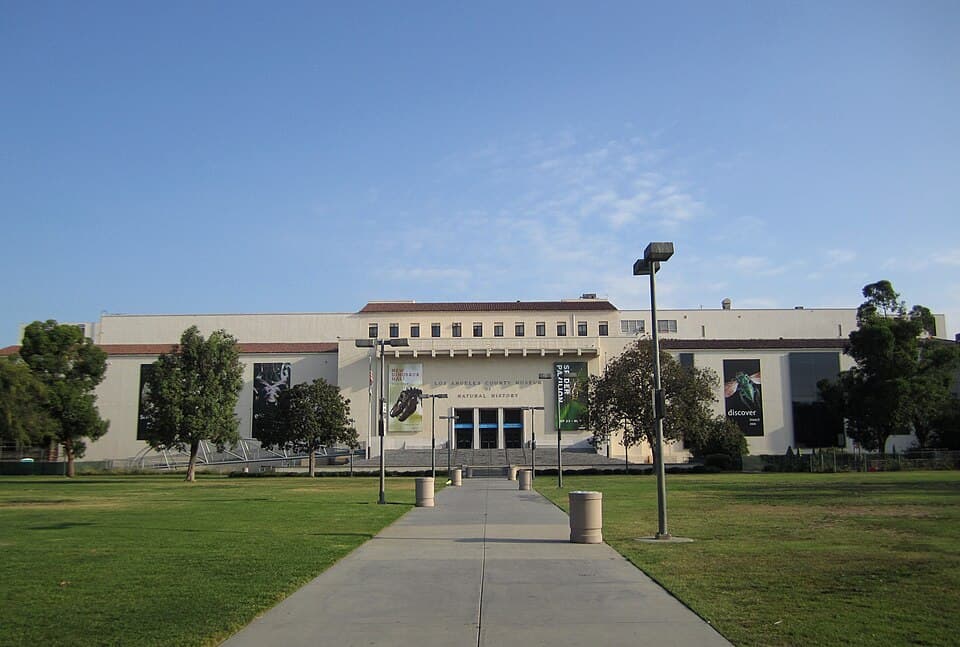
LACMA split off in 1961 from the museum now known as the Natural History Museum of Los Angeles County, after donor J. Paul Getty grew frustrated that his gifts were displayed alongside dinosaur bones and historical artifacts rather than in a dedicated art museum. The original 1965 campus, designed by architect William Pereira, grew to four separate buildings, including a fourth added in 1986, before all of them were demolished in 2020 to make way for a single new structure.
That replacement building, the David Geffen Galleries designed by Swiss architect Peter Zumthor, opened to the public in 2026 as a long, low structure that spans across Wilshire Boulevard on a raised concrete platform. The museum's holdings, more than 150,000 works ranging from ancient artifacts to contemporary art, make it the largest art museum in the western United States, with particular strength in Latin American, Islamic, and pre-Columbian collections alongside its Picasso holdings.
The collection's breadth across many world regions and eras means visitors from almost any background can usually find art connected to their own country's history somewhere in the galleries. LACMA sits directly beside the La Brea Tar Pits on Wilshire Boulevard, so families often pair an art visit with the free-to-view tar pits outside.
Visitor information
Admission Adult admission is charged, though LA County residents can enter free during specific weekday evening hours; see the official site for current details and any age exemptions.
Getting there The Metro D Line's Wilshire/Fairfax station is the closest stop, a short walk from the entrance on Wilshire Boulevard.