Palace of Fine Arts
About
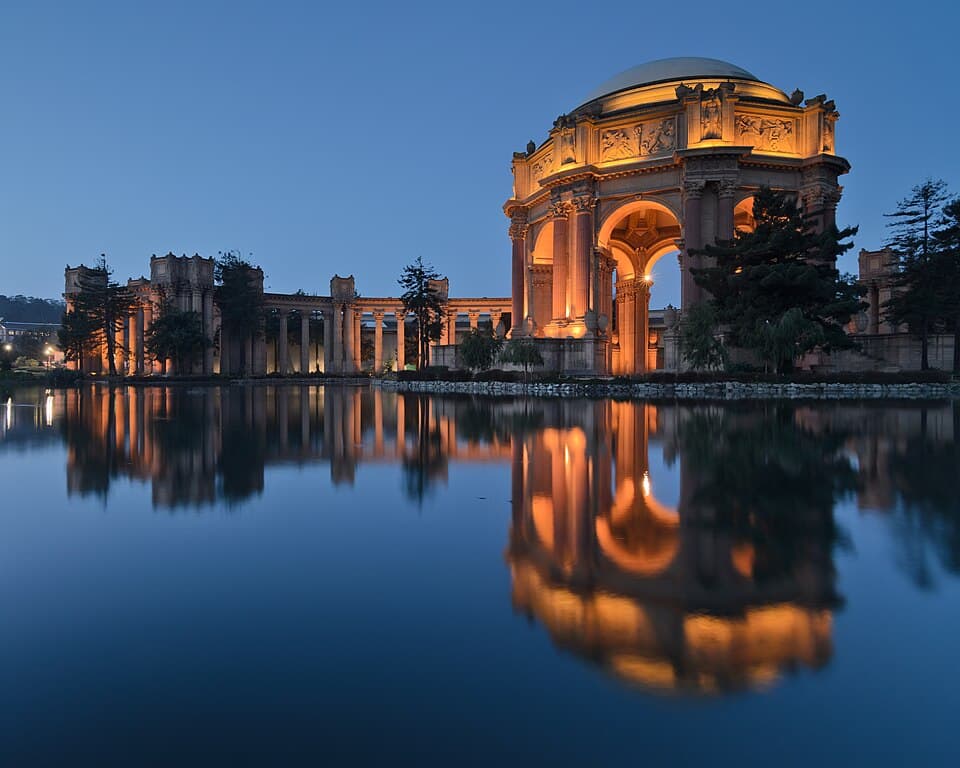
The Palace was built for the 1915 Panama-Pacific International Exposition, and architect Bernard Maybeck designed it deliberately to look like an ancient ruin, drawing on Piranesi's etchings of Roman ruins and a Böcklin painting of a melancholy island of the dead, as a transitional space between the fair's crowded exhibition halls. Like the exposition's other buildings, it was framed in wood and coated in a temporary plaster-and-fiber material never meant to last.
While the rest of the fairgrounds were demolished after 1915, public affection for the Palace led to a preservation league founded by Phoebe Apperson Hearst even while the fair was still running, and the structure survived in increasingly poor condition for decades. Beginning in 1964, the deteriorating original was completely rebuilt in permanent concrete, a project that took a decade to finish and preserved Maybeck's design in a form meant to last.
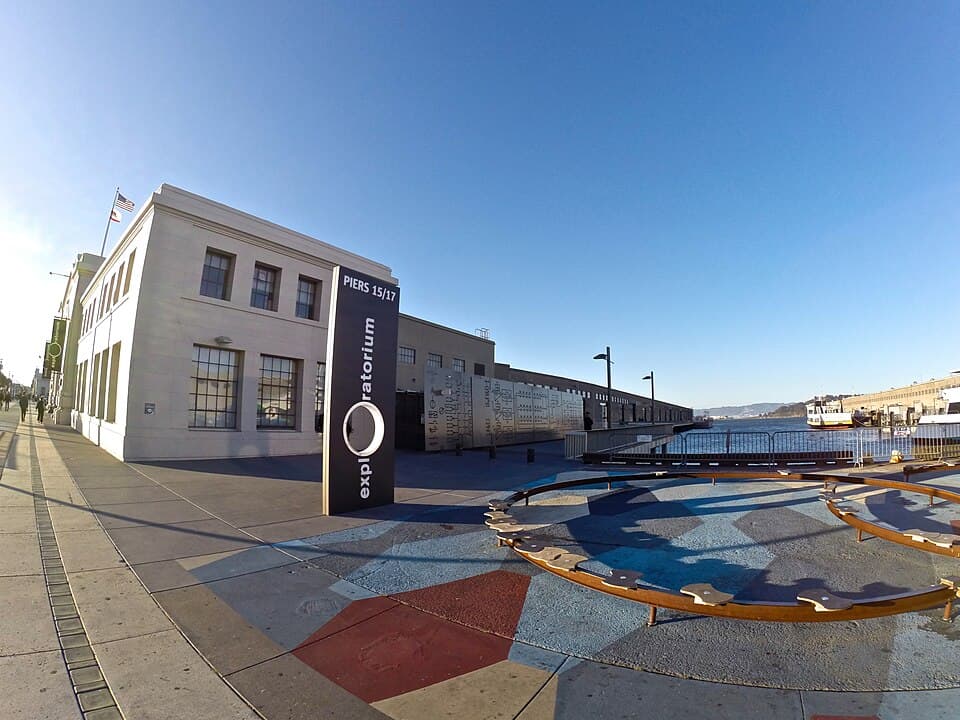
Today the rotunda and lagoon are open to the public at no charge, and the site also connects historically to the Exploratorium, since that hands-on science museum was originally housed inside the Palace before moving to the Embarcadero in 2013.
Visitor information
Admission The rotunda, colonnade, and lagoon grounds are free and open at all times; the theater inside charges separately for its own events.
Getting there The site sits in the Marina District, served by Muni bus lines that connect from the Embarcadero and downtown.