California Attractions & Museums: 36 Places to Visit
One of the best ways to feel at home is visiting the places locals treasure
12 places
Balboa Park
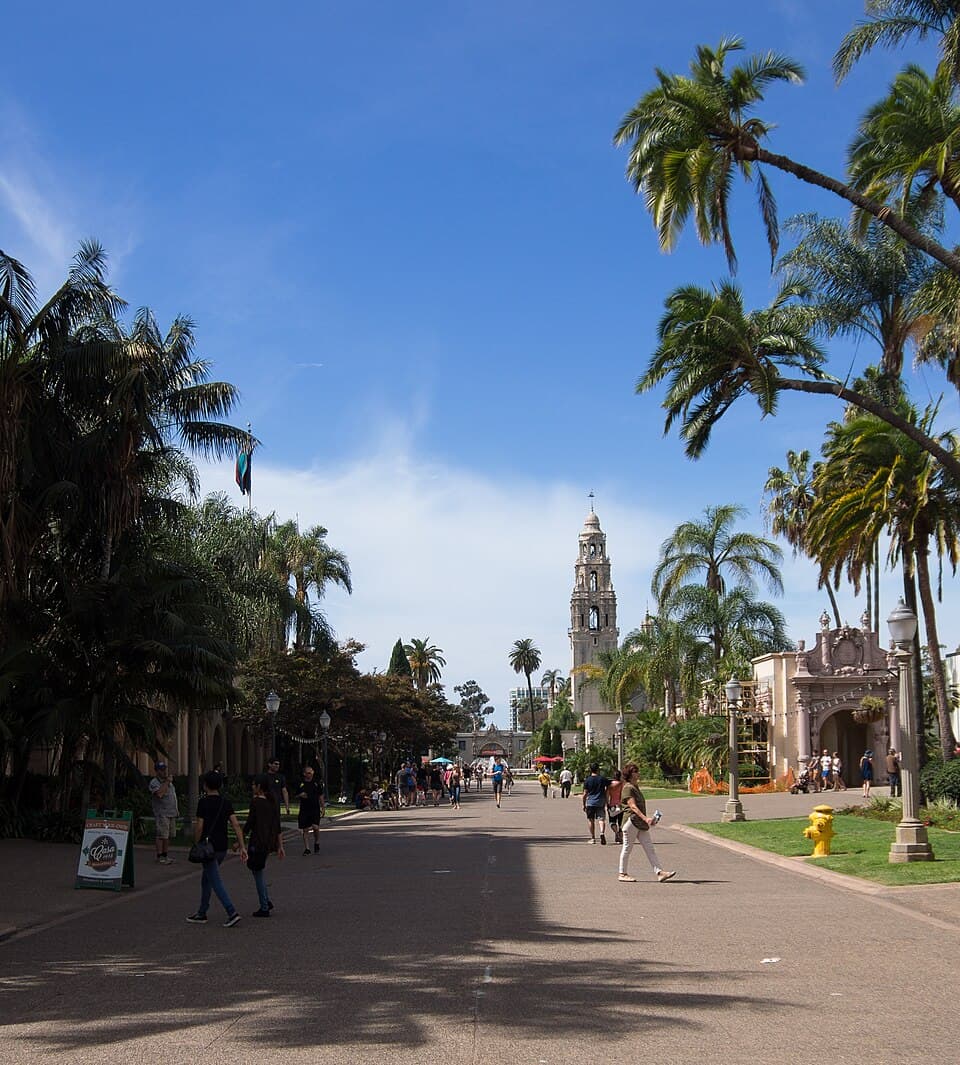
Balboa Park was established in 1868, making it one of the oldest sites in the United States dedicated to public recreation, and today covers about 1,200 acres. Many of its Spanish Colonial Revival buildings were constructed for the 1915 Panama-California Exposition and now house museums, theaters, and gardens, along with the San Diego Zoo. Walking through the park is free, though individual museums charge admission.
View on map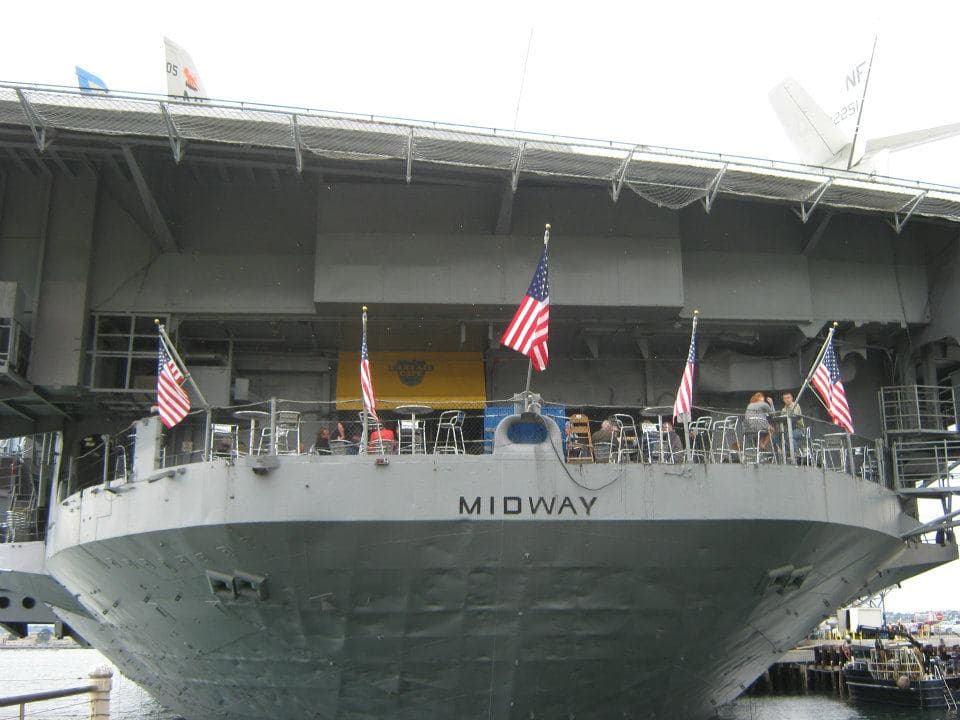
USS Midway Museum
The USS Midway was commissioned in 1945 and served as an active aircraft carrier for 47 years, longer than any other US Navy carrier of the 20th century, before being decommissioned in 1992. It opened as a museum in San Diego Bay in 2004, letting visitors walk its flight deck and below-decks spaces alongside restored aircraft. Admission is charged for all visitors.
View on mapPhoto: Shawnnielsen · CC BY-SA 3.0
San Diego Natural History Museum
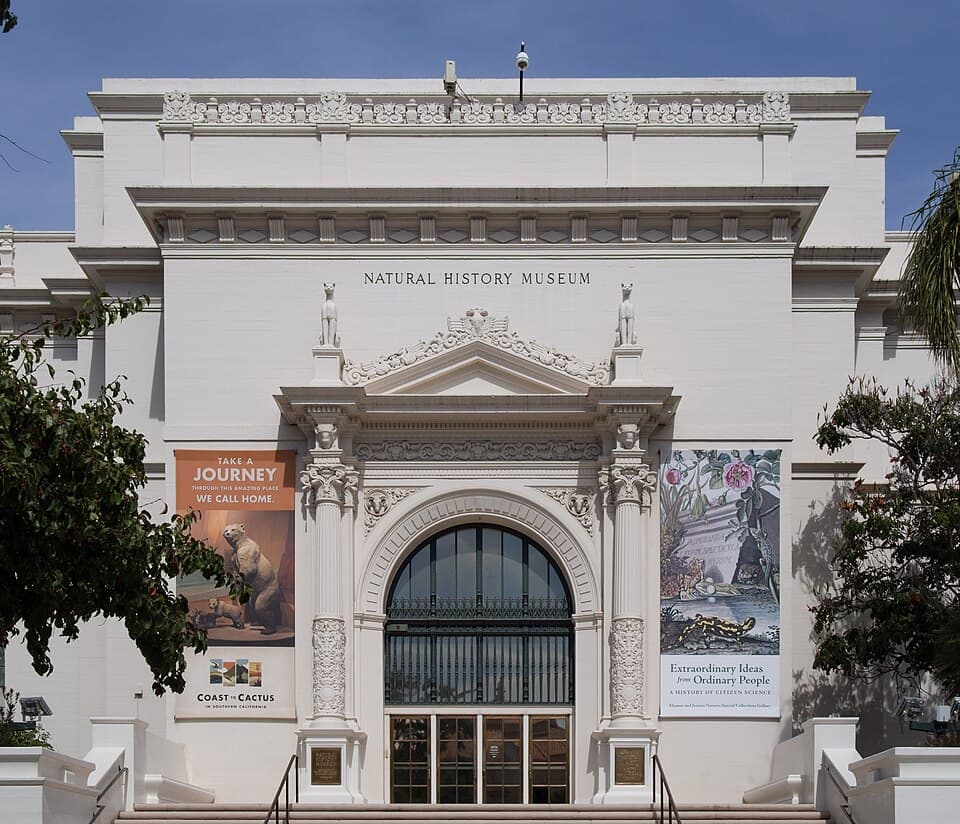
The San Diego Natural History Museum, known locally as "The Nat," was founded in 1874 and is the oldest scientific institution in Southern California. It occupies a building in Balboa Park and focuses on the natural history of the Californias, including fossils, regional wildlife, and earthquake exhibits. Admission is charged for all visitors.
View on map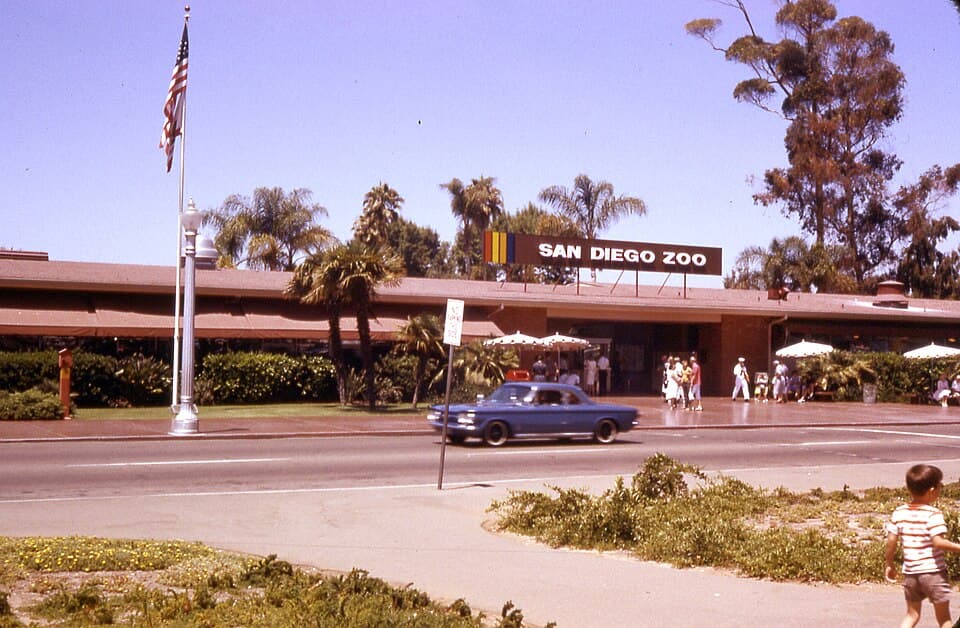
San Diego Zoo
The San Diego Zoo opened in 1916 and has grown into one of the largest and best known zoos in the world, housing over 12,000 animals across more than 100 acres in Balboa Park. It has played a leading role in conservation research and captive breeding programs for endangered species. Admission is charged for all visitors.
View on mapPhoto: EditorASC · CC BY 3.0
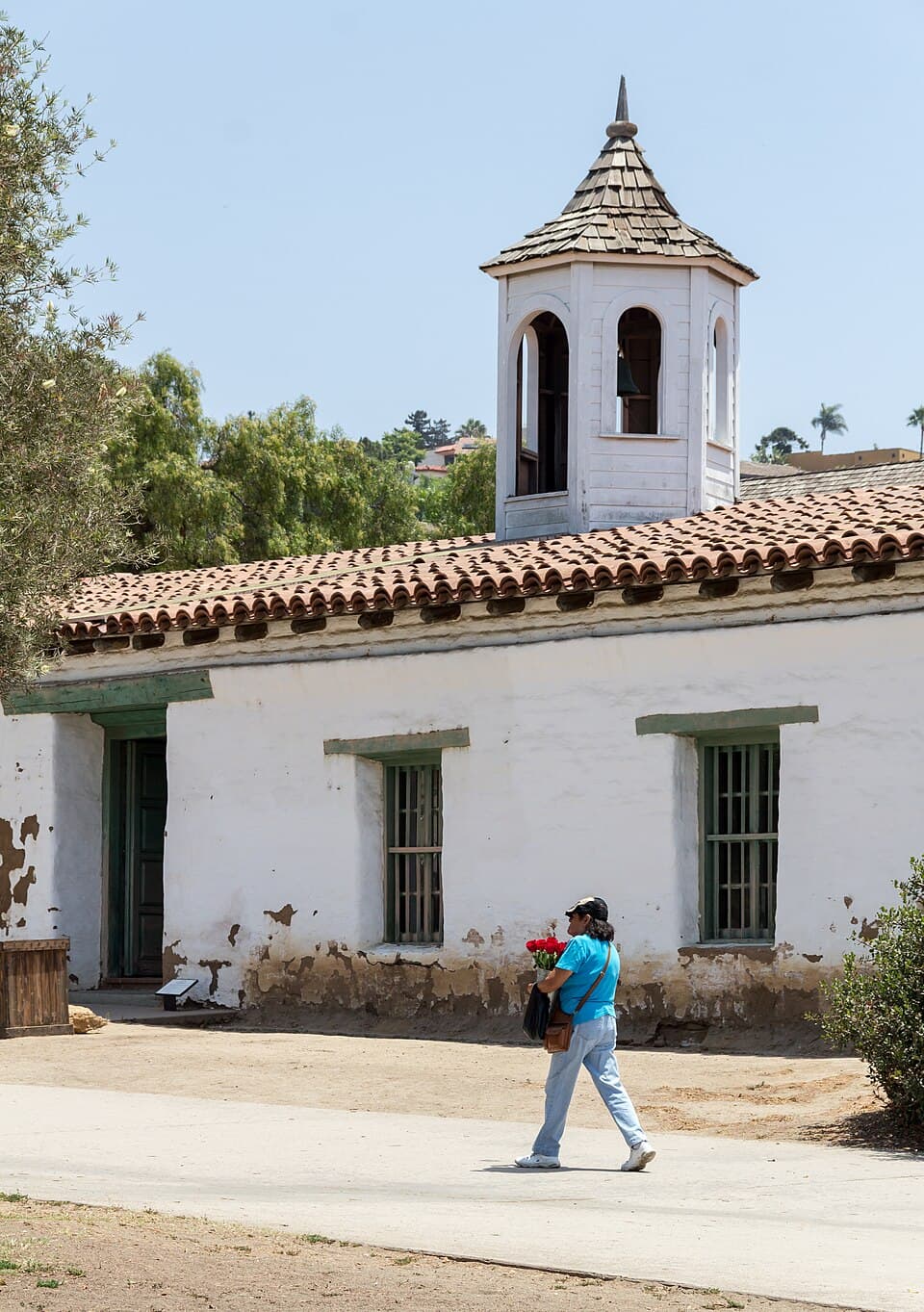
Old Town San Diego State Historic Park
Old Town San Diego State Historic Park preserves the site of the city's original town, settled by Mexican and early American residents from the 1820s through the 1870s before the population shifted toward the modern downtown. Restored adobe buildings, a historic plaza, and living history demonstrations recreate daily life from that era. Walking through the park is free.
View on map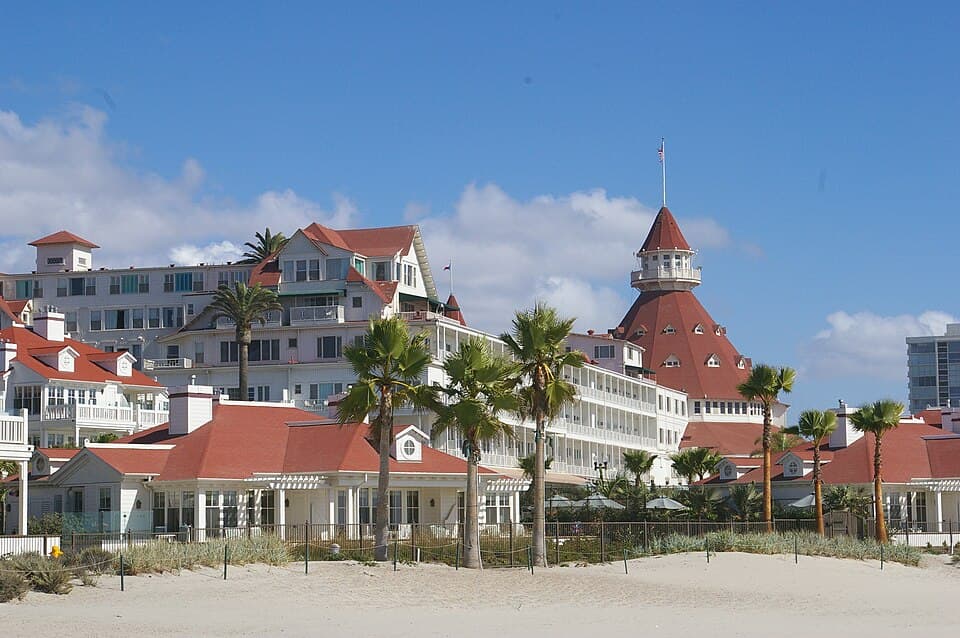
Hotel del Coronado
The Hotel del Coronado opened in 1888 on Coronado Beach and remains one of the largest wooden buildings in the United States, built in a Victorian beach resort style with its distinctive red turrets. It was designated a National Historic Landmark in 1977 and has hosted numerous US presidents and film productions over the years. The hotel grounds and beach are open to the public at no charge, though staying at the hotel is not free.
View on mapPhoto: Ctorbann · CC BY-SA 3.0
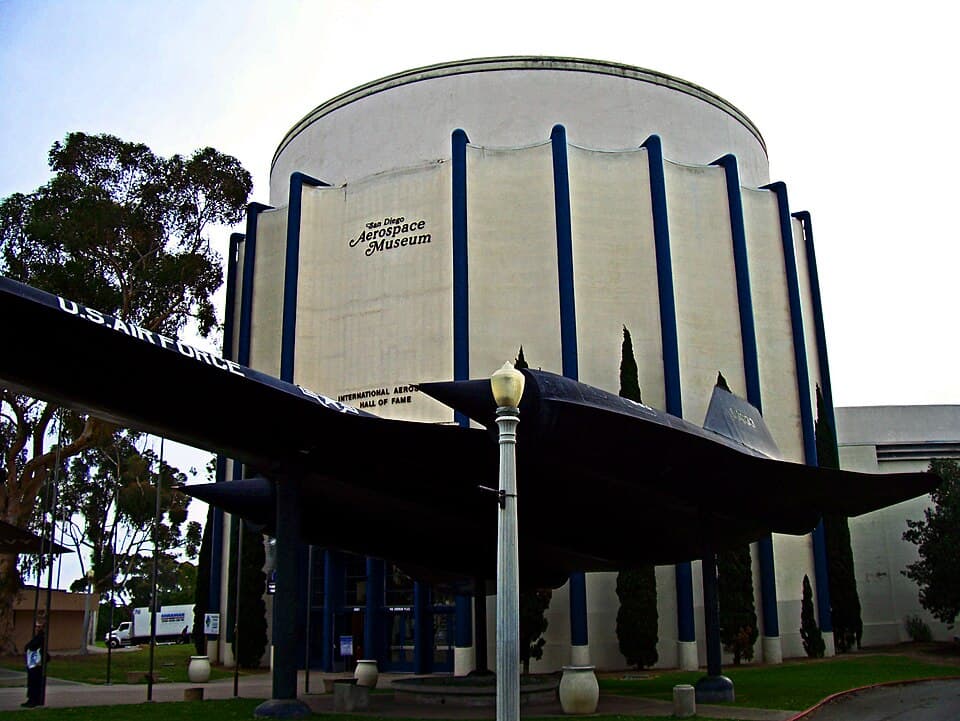
San Diego Air and Space Museum
The San Diego Air and Space Museum is housed in the Ford Building in Balboa Park, originally built for the 1935 California Pacific International Exposition. Its galleries trace the history of flight from early gliders to space exploration, and it maintains the International Aerospace Hall of Fame honoring pioneers of aviation. Admission is charged for all visitors.
View on mapPhoto: JA Harrison · CC BY-SA 3.0
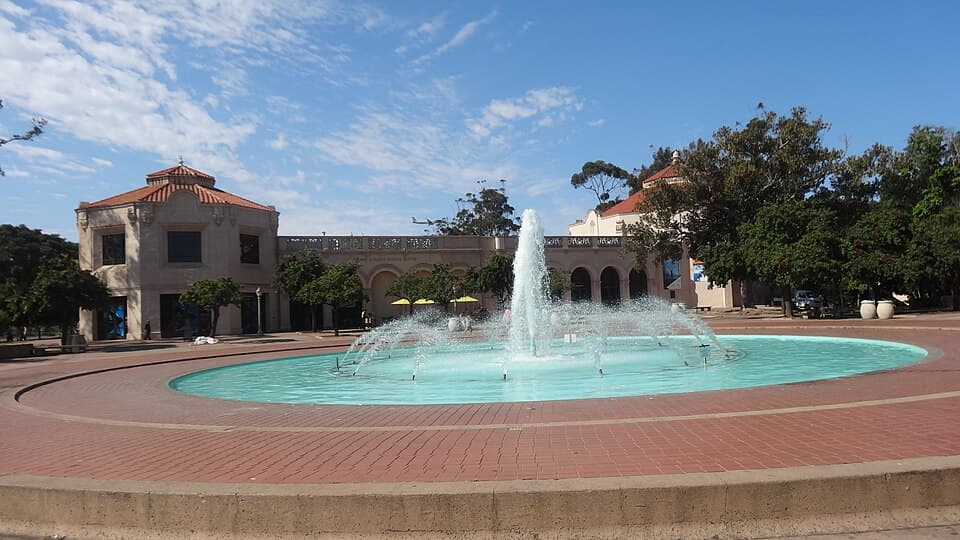
Reuben H. Fleet Science Center
The Reuben H. Fleet Science Center opened in 1973 in Balboa Park as the world's first science museum to combine hands-on exhibits with a domed IMAX-style theater. It has since undergone several renovations and expansions while keeping its focus on interactive science exhibits for families. Admission is charged for all visitors.
View on mapPhoto: GualdimG · CC BY-SA 4.0
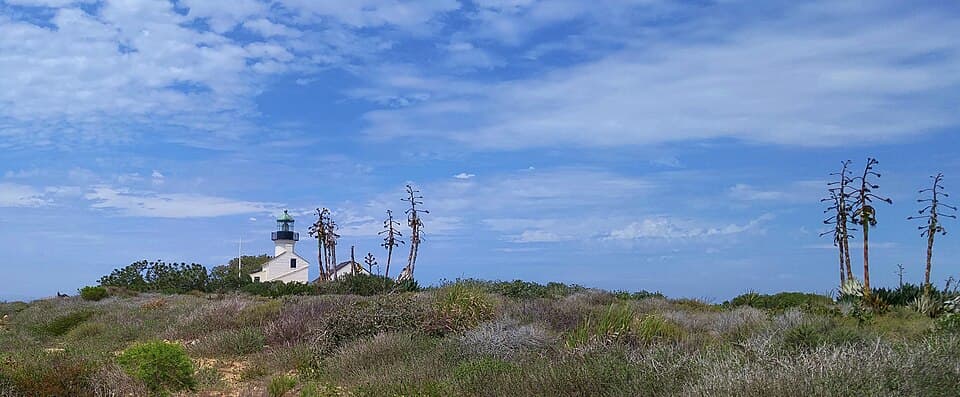
Cabrillo National Monument
Cabrillo National Monument was designated in 1913 to commemorate Juan Rodríguez Cabrillo's arrival at San Diego Bay on September 28, 1542, the first landing of a European expedition on what later became the West Coast of the United States. Perched at the tip of Point Loma, the park includes the Old Point Loma Lighthouse, built in 1855, along with tide pools and the Whale Overlook, established in 1950 as the world's first public whale-watching lookout point. It is managed by the National Park Service, and admission is charged per vehicle.
View on mapPhoto: Garyscub · CC BY-SA 4.0
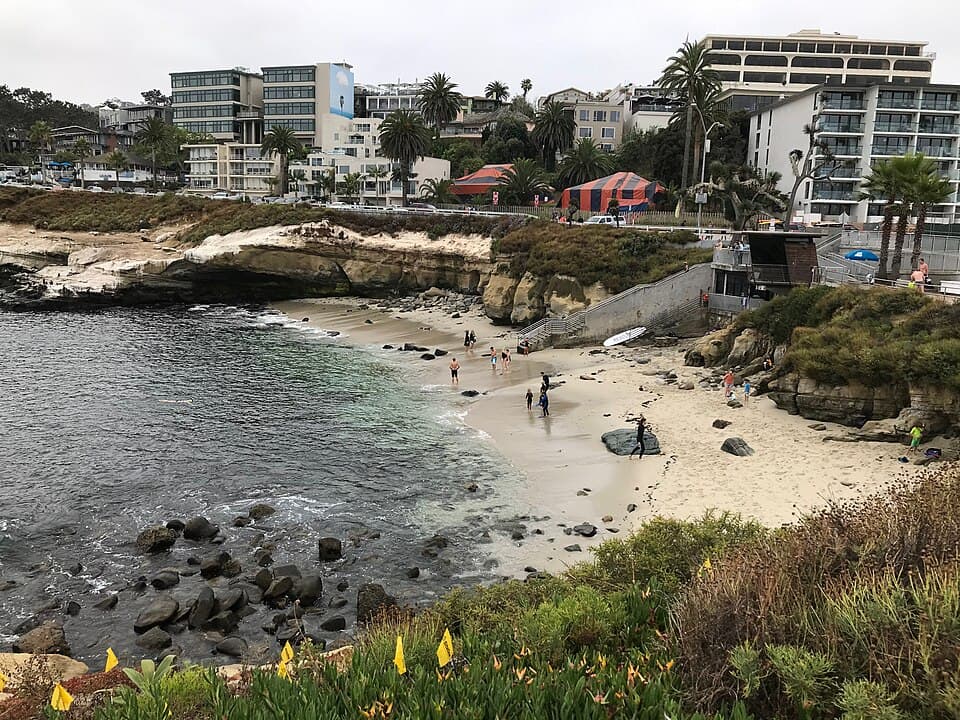
La Jolla Cove
La Jolla Cove sits within the San Diego-La Jolla Underwater Park, an ecological reserve where fishing and collecting marine life are prohibited, which helps keep its waters rich with California sea lions and orange Garibaldi fish. The small beach is a popular spot for snorkeling and diving and hosts the La Jolla Cove Rough Water Swim each September, one of the oldest ocean swims in the world. The cove is free and open to the public, though nearby street parking is limited.
View on mapPhoto: Mollymcc · CC0 1.0
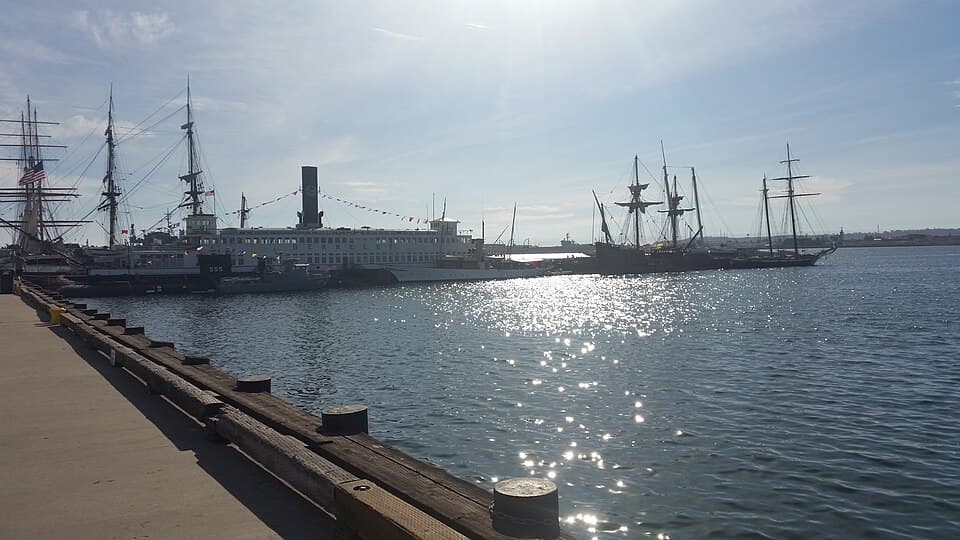
Maritime Museum of San Diego
The Maritime Museum of San Diego was established in 1948 along the Embarcadero on San Diego Bay and is built around the Star of India, an 1863 iron barque that is the oldest ship still sailing regularly anywhere in the world. Its fleet also includes the 1898 ferryboat Berkeley, the World War era steam yacht Medea, and the San Salvador, a replica galleon launched in 2015 that represents the ship Juan Rodríguez Cabrillo sailed into San Diego Bay in 1542. Admission is charged, and most vessels can be boarded with the same ticket.
View on map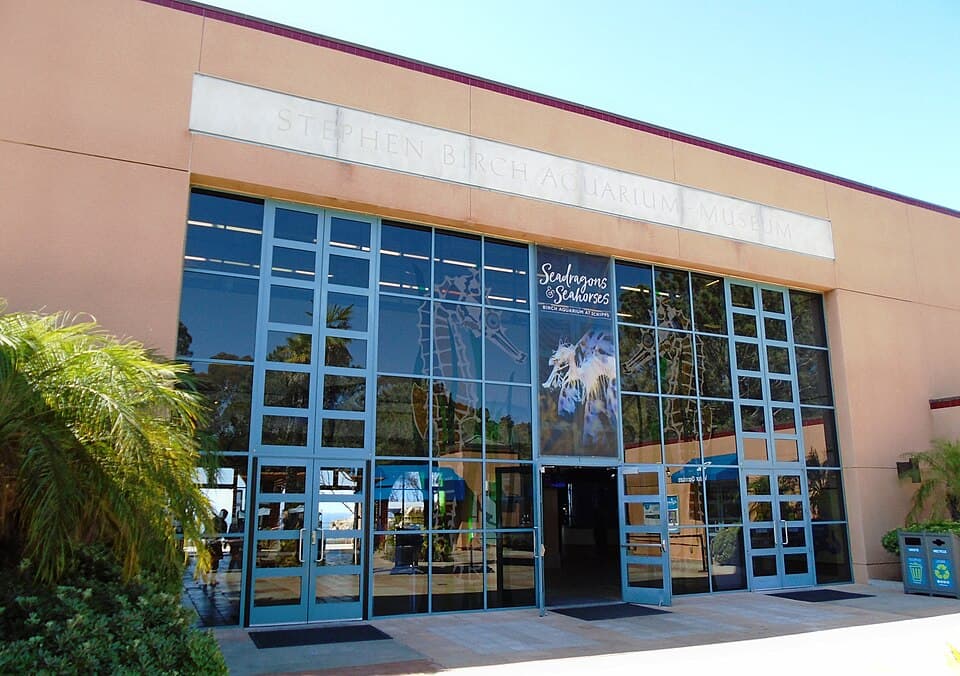
Birch Aquarium at Scripps
Birch Aquarium at Scripps traces back to 1903, when the Marine Biological Association of San Diego opened a small aquarium that grew into the public outreach arm of the Scripps Institution of Oceanography at UC San Diego. Its current hilltop building in La Jolla opened in 1992 and includes a kelp forest tank holding about 70,000 gallons of seawater, alongside tide pool and seahorse exhibits drawn from real oceanographic research. Admission is charged for all visitors.
View on mapPhoto: Beyond My Ken · CC BY-SA 4.0