California Attractions & Museums: 36 Places to Visit
One of the best ways to feel at home is visiting the places locals treasure
12 places
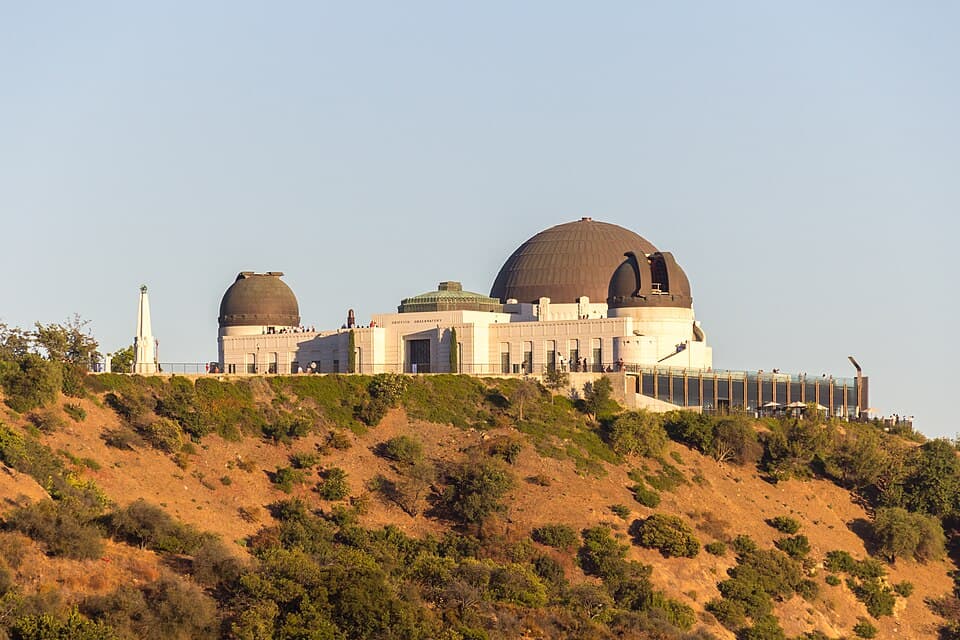
Griffith Observatory
Griffith Observatory has offered free public astronomy since it opened in 1935 on the south slope of Mount Hollywood in Griffith Park. Its domes house telescopes and a planetarium, and the terrace outside gives one of the best views of the Hollywood Sign and the Los Angeles skyline. Admission to the building and grounds is free, though planetarium shows require a ticket.
View on map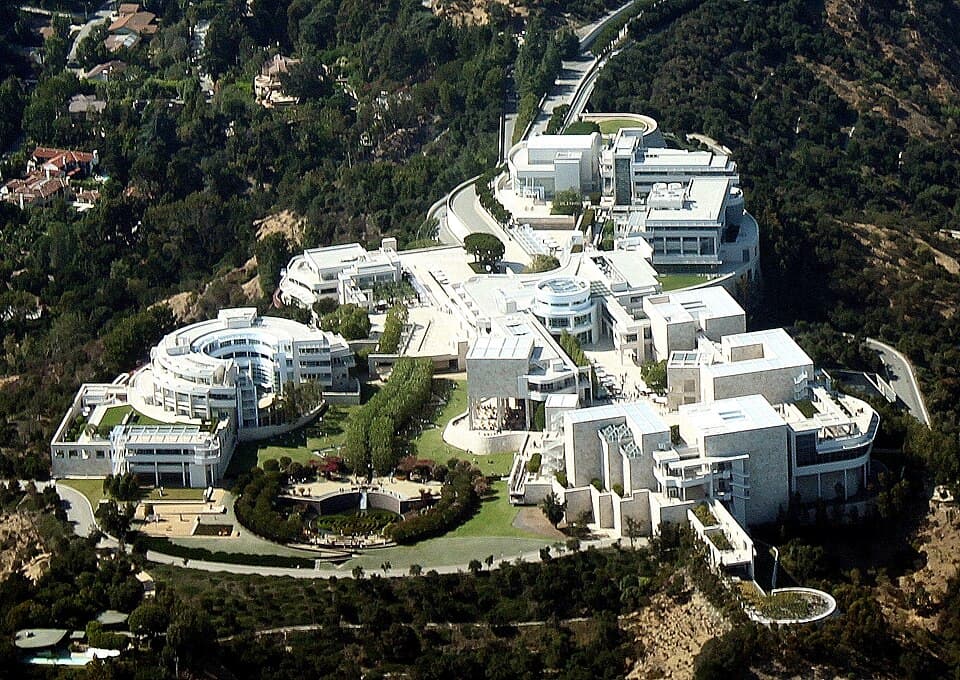
Getty Center
The Getty Center opened in 1997 on a hilltop in Brentwood, designed by architect Richard Meier to house the J. Paul Getty Museum's collection of European paintings, drawings, and decorative arts. The complex includes a large central garden designed by artist Robert Irwin and a tram that carries visitors up from the parking area. General admission is free, though parking is charged.
View on mapPhoto: Jelson25 · Public domain
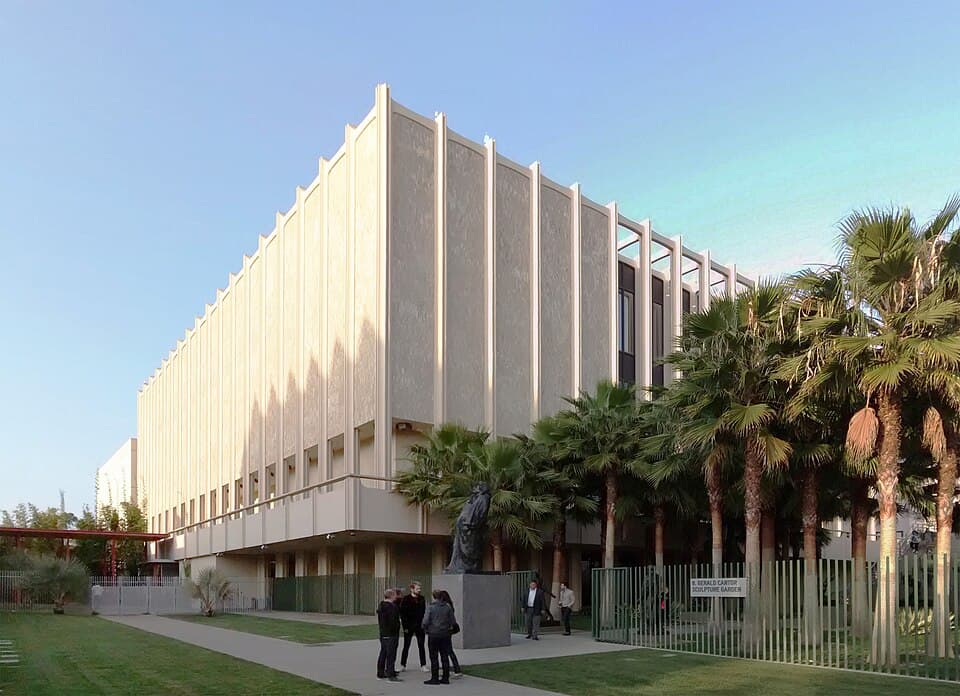
Los Angeles County Museum of Art
The Los Angeles County Museum of Art was founded in 1961 and is the largest art museum in the western United States, with a collection of more than 150,000 works spanning ancient to contemporary art. Its original 1965 campus was demolished in 2020 and replaced by the David Geffen Galleries, designed by Swiss architect Peter Zumthor, which opened in 2026 as a single building spanning Wilshire Boulevard next to the La Brea Tar Pits. Admission is charged for adults, with free entry on some weekday evenings for LA County residents.
View on mapPhoto: Gunnar Klack · CC BY-SA 4.0
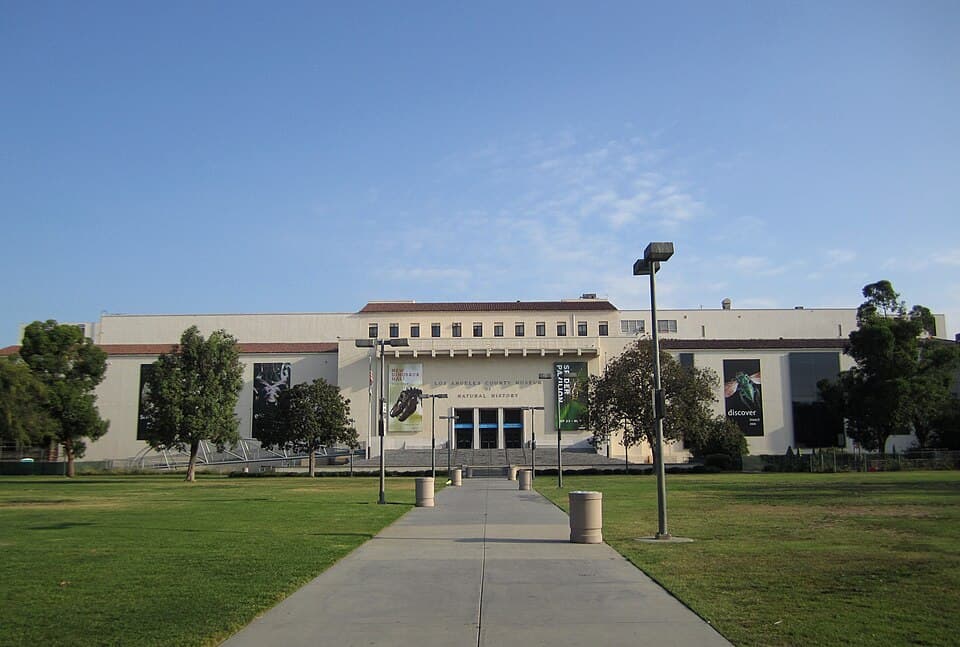
Natural History Museum of Los Angeles County
The Natural History Museum of Los Angeles County opened in 1913 and is the oldest natural history museum in the western United States. Its exhibits include dinosaur fossils, gems and minerals, and displays on the region's ecology, housed in a Spanish Renaissance style building in Exposition Park. Admission is charged, with discounted rates for LA County residents on some days.
View on map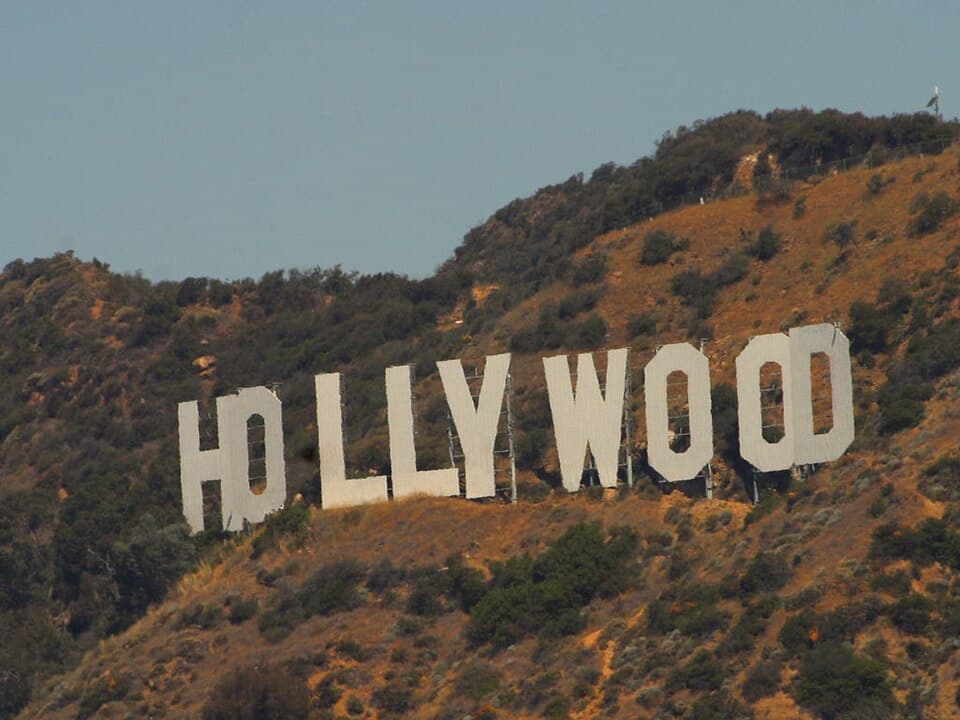
Hollywood Sign
The Hollywood Sign was erected in 1923 as an advertisement reading "HOLLYWOODLAND" for a real estate development, and the last four letters were removed in 1949 when the city took over its upkeep. The current letters, each about 45 feet tall, were rebuilt in 1978 after the original sign had fallen into disrepair. It sits on Mount Lee in Griffith Park and is best viewed from a distance, since the area immediately around it is closed to the public.
View on mapPhoto: Jon Sullivan · Public domain
Santa Monica Pier
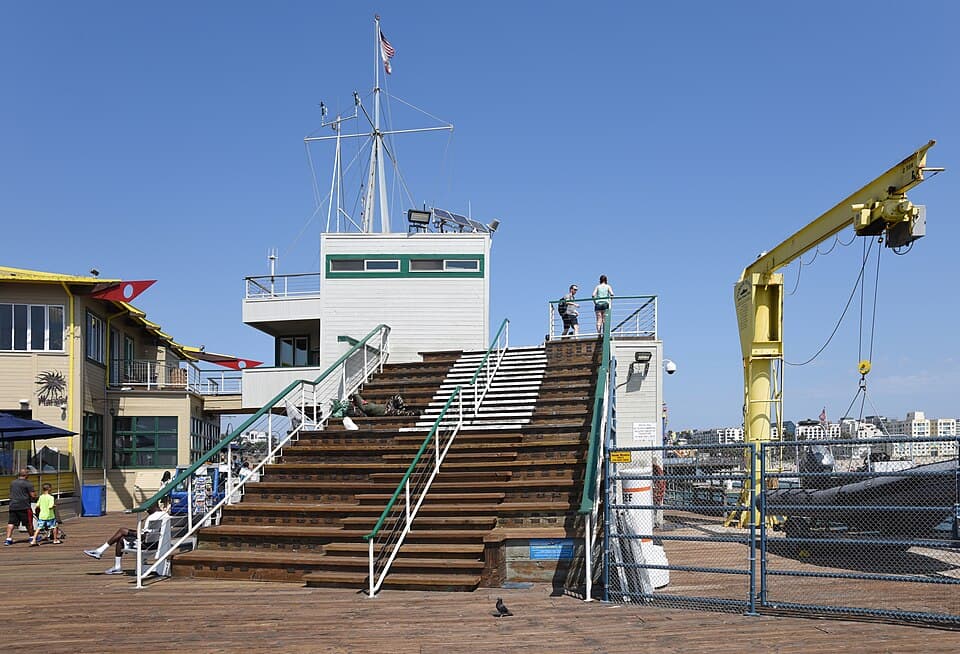
Santa Monica Pier opened in 1909 and is one of the oldest pleasure piers on the West Coast, marking the symbolic end of Route 66. It hosts Pacific Park, a small amusement park with a solar-powered Ferris wheel, along with a historic 1922 carousel and an aquarium. Walking onto the pier is free, though rides and some attractions charge separately.
View on mapPhoto: Cayambe · CC BY-SA 4.0
Olvera Street
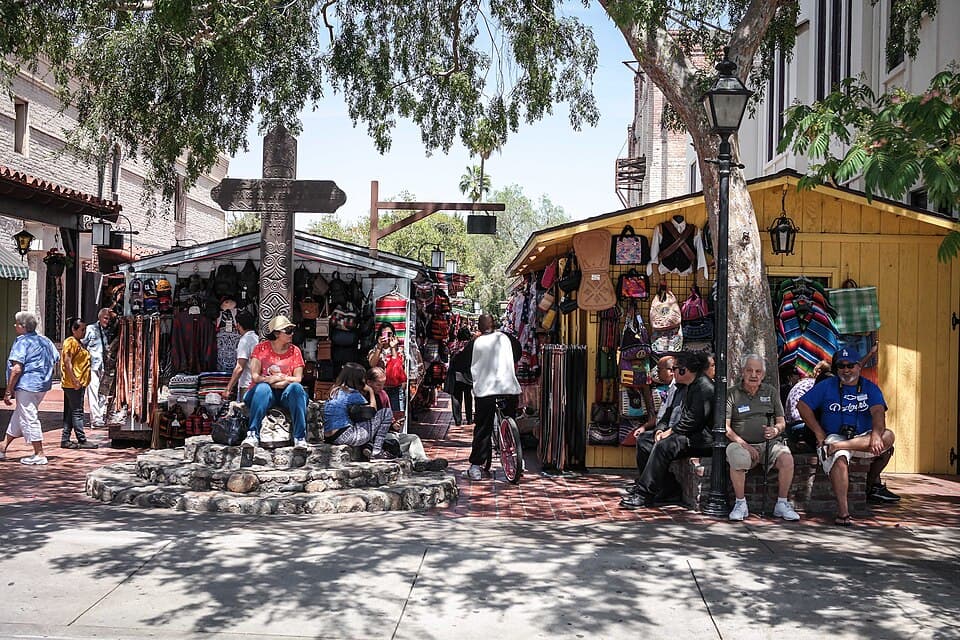
Olvera Street is a pedestrian marketplace within El Pueblo de Los Angeles Historical Monument, the site where the city was founded by Spanish colonial settlers in 1781. The street was converted into a Mexican-style marketplace in 1930 and today lines its brick pathway with shops, food stalls, and mariachi musicians. Walking through the marketplace is free.
View on mapPhoto: Visitor7 · CC BY-SA 3.0
Venice Beach Boardwalk
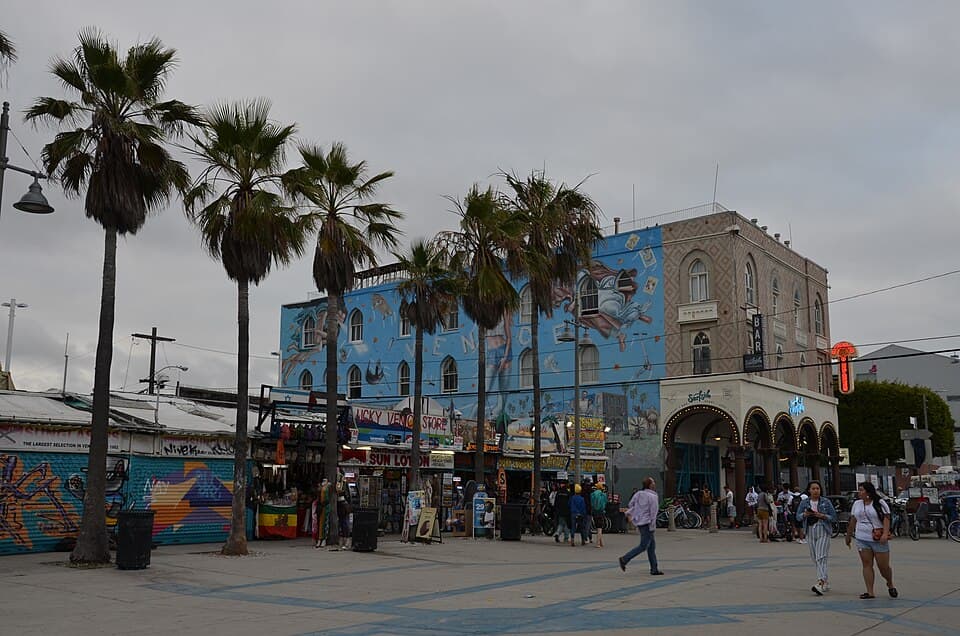
Venice Beach Boardwalk runs along the sand in the neighborhood developer Abbot Kinney built in the early 1900s to resemble Venice, Italy, complete with canals. Today the boardwalk is known for street performers, muscle beach outdoor gym, skate parks, and murals painted on the surrounding storefronts. Walking the boardwalk is free.
View on mapPhoto: Steven Lek · CC BY-SA 4.0
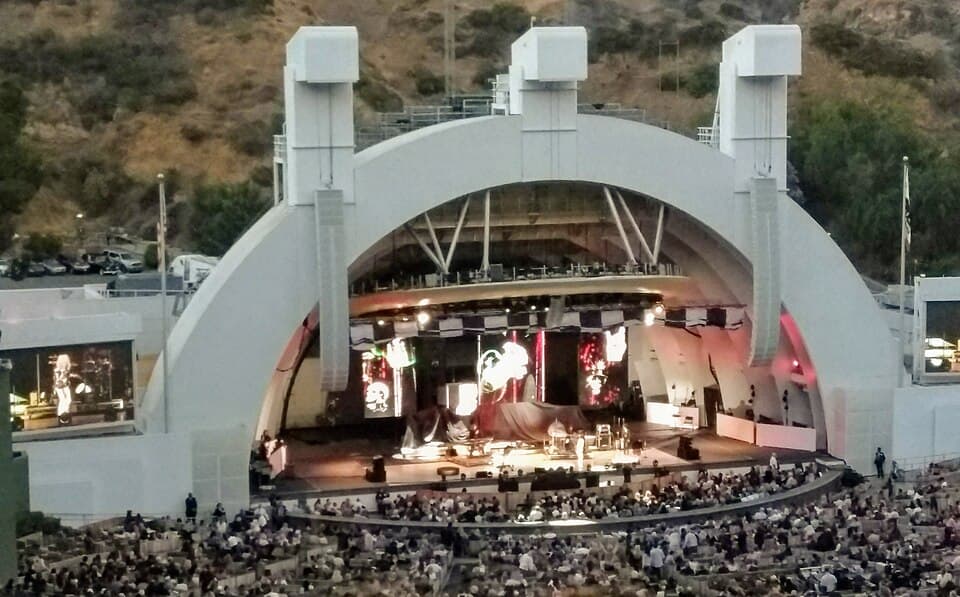
Hollywood Bowl
The Hollywood Bowl has served as the summer home of the Los Angeles Philharmonic since it opened on July 11, 1922, in a natural amphitheater in the Hollywood Hills. Its distinctive band shell has been rebuilt several times, and the current version dates to 2004. The grounds and the free Hollywood Bowl Museum can be visited without a ticket, while concerts require separate admission.
View on mapPhoto: Royalsafira · CC BY-SA 4.0
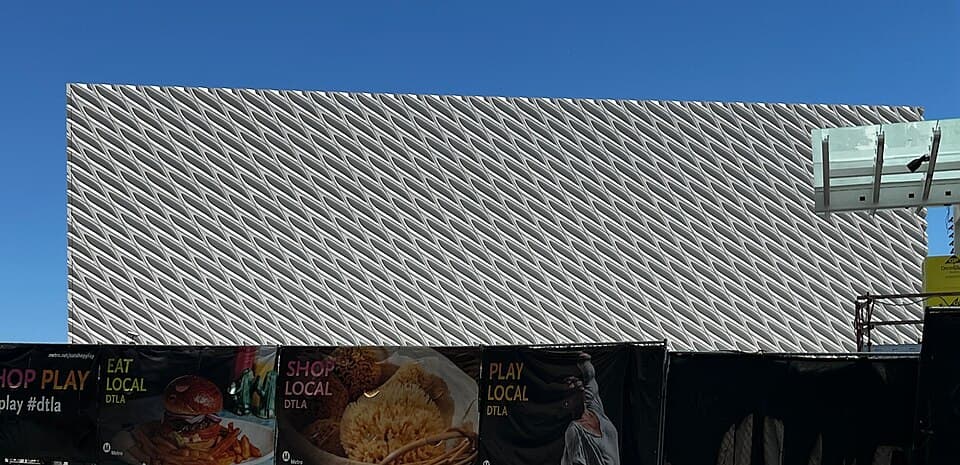
The Broad
The Broad opened on September 20, 2015, in downtown Los Angeles as a contemporary art museum built and funded by philanthropists Eli and Edythe Broad. Designed by Diller Scofidio + Renfro around a porous outer 'veil' of more than 2,500 concrete panels, it holds close to 2,000 works, including the world's largest collection of Cindy Sherman photographs. General admission to the permanent collection galleries is free.
View on mapPhoto: Benoît Prieur · CC0 1.0
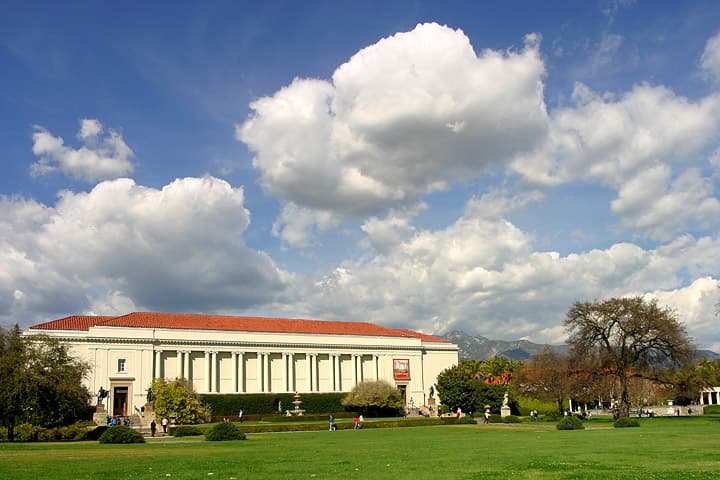
The Huntington Library, Art Museum, and Botanical Gardens
The Huntington Library, Art Museum, and Botanical Gardens was founded in 1919 by railroad magnate Henry E. Huntington and opened to the public in 1928. Its library holds more than 7 million manuscripts and over 400,000 rare books, including one of only eleven vellum copies of the Gutenberg Bible, while its roughly 120-acre botanical gardens include a Japanese Garden, a Desert Garden with thousands of species, and a Chinese Garden. Admission is charged for all visitors.
View on mapPhoto: Aaron Logan · CC BY 1.0
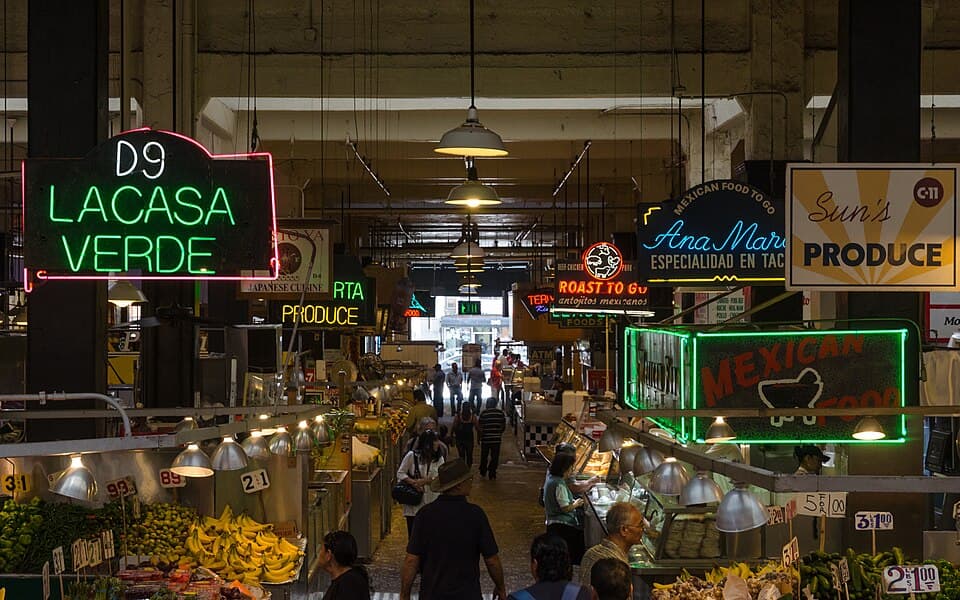
Grand Central Market
Grand Central Market opened in October 1917 on the ground floor of the Beaux-Arts Homer Laughlin Building in downtown Los Angeles and has operated as a public food market ever since. A 1985 restoration led by owner Ira Yellin uncovered the building's original architectural details, and the market was designated a Los Angeles Historic-Cultural Monument in 2019. Entry is free, and visitors pay only for what they buy from the dozens of food vendors inside.
View on map